
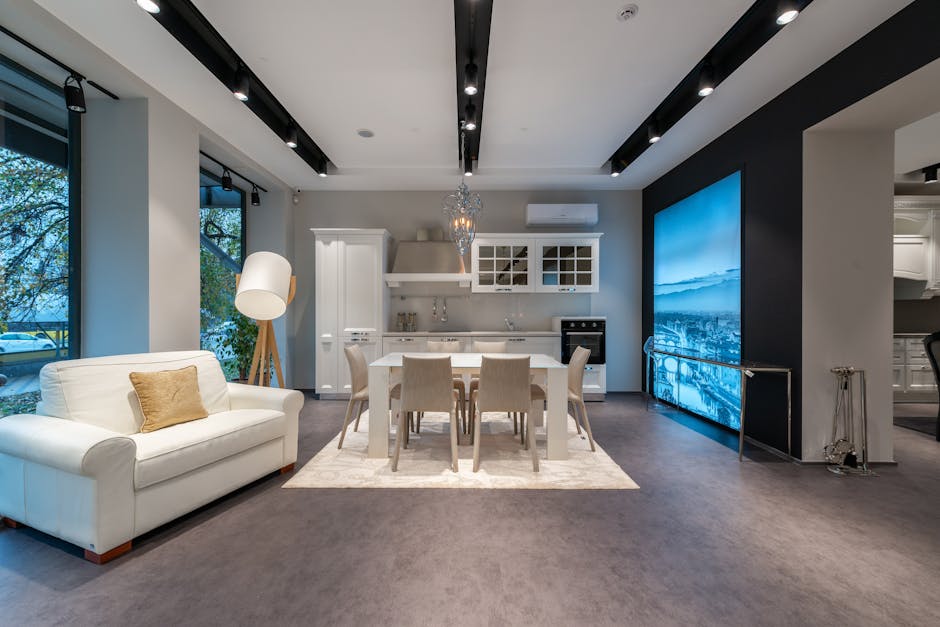
When it comes to selling your home, home staging is often touted as a magical solution that guarantees a quick sale and a hefty profit. However, amidst the buzz, several misconceptions linger, clouding the true value of this service. Let’s dive into the world of home staging, bust some myths, and uncover the truths that can help you make informed decisions when preparing your home for the market.
Myth: Home staging is only for high-end properties.
Truth: While luxury homes often benefit from staging, it’s a misconception that only expensive properties need it. In fact, homes at all price points can gain from staging. The goal is to present your home in the best light possible, regardless of its market value. Staging helps potential buyers envision themselves in the space, making it more appealing and increasing the likelihood of a sale. Even budget-friendly homes can stand out with the right staging techniques, such as decluttering, rearranging furniture, and adding a fresh coat of paint.
Myth: Home staging is just about decorating.
Truth: Staging goes beyond mere decoration; it’s a strategic marketing tool. Professional stagers analyze the layout, lighting, and flow of your home to create an inviting atmosphere that highlights its best features. This process often involves depersonalizing the space, removing family photos, and neutralizing bold colors to appeal to a broader audience. The aim is to create a blank canvas that allows buyers to imagine their own lives in the home, which can lead to quicker offers.
Myth: You need to spend a fortune on staging.
Truth: While some may think that staging requires a hefty investment, there are plenty of budget-friendly options available. You don’t need to hire a professional stager to achieve great results. Simple DIY staging techniques can be incredibly effective. Start by decluttering your home, rearranging furniture to improve flow, and adding fresh flowers or plants for a touch of life. You can also borrow or rent furniture and decor items instead of purchasing new ones. This approach not only saves money but also allows you to showcase your home’s potential without breaking the bank.
Myth: Staging is only necessary for vacant homes.
Truth: Staging is beneficial for both vacant and occupied homes. While vacant homes can appear cold and uninviting, occupied homes can also benefit from staging to enhance their appeal. Homeowners often have personal items and furniture that may not showcase the space effectively. A professional stager can help you depersonalize and rearrange your belongings to create a more inviting atmosphere. Even if you live in the home during the selling process, staging can help you present it in the best possible light.
Myth: Staging is a one-size-fits-all solution.
Truth: Every home is unique, and so are the staging strategies that work best for each property. A successful staging plan takes into account the home’s style, target market, and local real estate trends. For instance, a modern condo may require a different approach than a charming Victorian house. Tailoring the staging to fit the specific characteristics of your home and the preferences of potential buyers can significantly enhance its appeal.
Myth: Once staged, your home will sell instantly.
Truth: While staging can certainly expedite the selling process, it’s not a guaranteed quick fix. The real estate market is influenced by various factors, including location, pricing, and market conditions. Staging enhances your home’s presentation, making it more attractive to buyers, but it’s essential to pair it with a competitive pricing strategy and effective marketing efforts. A well-staged home can generate more interest and potentially lead to quicker offers, but patience is still key in the selling process.
In conclusion, home staging is a powerful tool that can elevate your home’s appeal and increase its marketability. By debunking these common myths, you can approach the staging process with a clearer understanding of its benefits and strategies. Whether you choose to hire a professional or take a DIY approach, remember that the ultimate goal is to create an inviting space that resonates with potential buyers. With the right staging techniques, you can transform your home into a buyer’s dream, paving the way for a successful sale.