
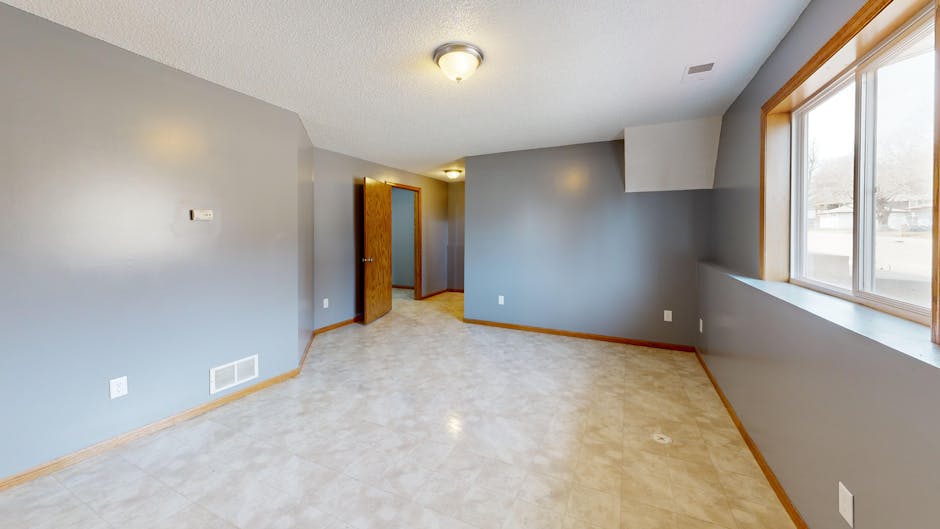
In a world increasingly aware of its environmental footprint, the concept of home staging for selling has evolved beyond mere aesthetics. Today, it’s about creating a welcoming atmosphere that resonates with potential buyers while also honoring our planet. Eco-conscious home staging not only enhances the appeal of a property but also reflects a commitment to sustainability that can significantly influence buyer trust and decision-making.
Home staging is the art of preparing a home for sale in a way that highlights its strengths and minimizes its weaknesses. Traditionally, this has involved a range of strategies from decluttering to rearranging furniture, but the modern approach embraces sustainability as a core principle. By utilizing eco-friendly materials and practices, sellers can create a space that feels both inviting and responsible.
One of the first steps in eco-friendly home staging is to assess the existing furniture and decor. Instead of purchasing new items, consider repurposing what you already have. This not only saves money but also reduces waste. For instance, a fresh coat of paint on an old piece of furniture can breathe new life into it. Opt for low-VOC (volatile organic compounds) paints to ensure that the air quality remains healthy for both the inhabitants and potential buyers.
When it comes to decor, think about incorporating natural elements. Plants are a fantastic way to enhance a space while improving air quality. They bring life into a room and can make it feel more vibrant and welcoming. Choose native plants that require less water and maintenance, aligning with sustainable practices. Additionally, using organic textiles for staging—such as cotton or linen—can add a touch of luxury while being gentle on the environment.
Lighting is another crucial element in home staging. Instead of relying on harsh overhead lights, consider using energy-efficient LED bulbs that mimic natural light. This not only creates a warm and inviting atmosphere but also showcases the home’s features in the best light possible. Furthermore, maximizing natural light by using sheer curtains can make spaces feel larger and more open, which is always appealing to buyers.
Ethical sourcing is a vital aspect of eco-friendly home staging. When purchasing new items, look for furniture and decor that are certified by organizations like Fair Trade. This certification ensures that the products are made under fair labor conditions and that the materials are sourced responsibly. By choosing Fair Trade items, sellers can communicate their values to potential buyers, fostering a sense of trust and integrity.
Moreover, staging a home with sustainability in mind can also tap into the growing trend of eco-conscious living. Many buyers today are looking for homes that reflect their values, and a sustainably staged home can be a significant selling point. Highlighting energy-efficient appliances, sustainable materials, and eco-friendly features during showings can set a property apart in a competitive market.
In addition to the aesthetic and ethical benefits, eco-friendly home staging can also have psychological impacts on buyers. A home that feels sustainable and environmentally friendly can evoke feelings of comfort and peace. Buyers are increasingly aware of the impact their choices have on the environment, and a home that aligns with their values can create a deeper emotional connection.
Budget-friendly options for eco-conscious staging are abundant. Thrift stores and online marketplaces often have unique, second-hand items that can add character to a home without the environmental cost of new production. Additionally, DIY projects can be a fun and creative way to stage a home sustainably. From homemade art to upcycled furniture, the possibilities are endless.
As we move forward, the importance of sustainability in home staging will only grow. Buyers are becoming more discerning, and they appreciate homes that reflect a commitment to environmental stewardship. By embracing eco-friendly practices in home staging, sellers not only enhance their property’s appeal but also contribute positively to the planet.
In conclusion, eco-friendly home staging is not just a trend; it’s a movement towards more responsible living. By making conscious choices about materials, decor, and practices, sellers can create a space that is not only beautiful but also sustainable. As buyers increasingly seek homes that align with their values, staging with sustainability in mind can be a powerful tool in the selling process. So, let’s transform our spaces and make a positive impact—one staged home at a time.